
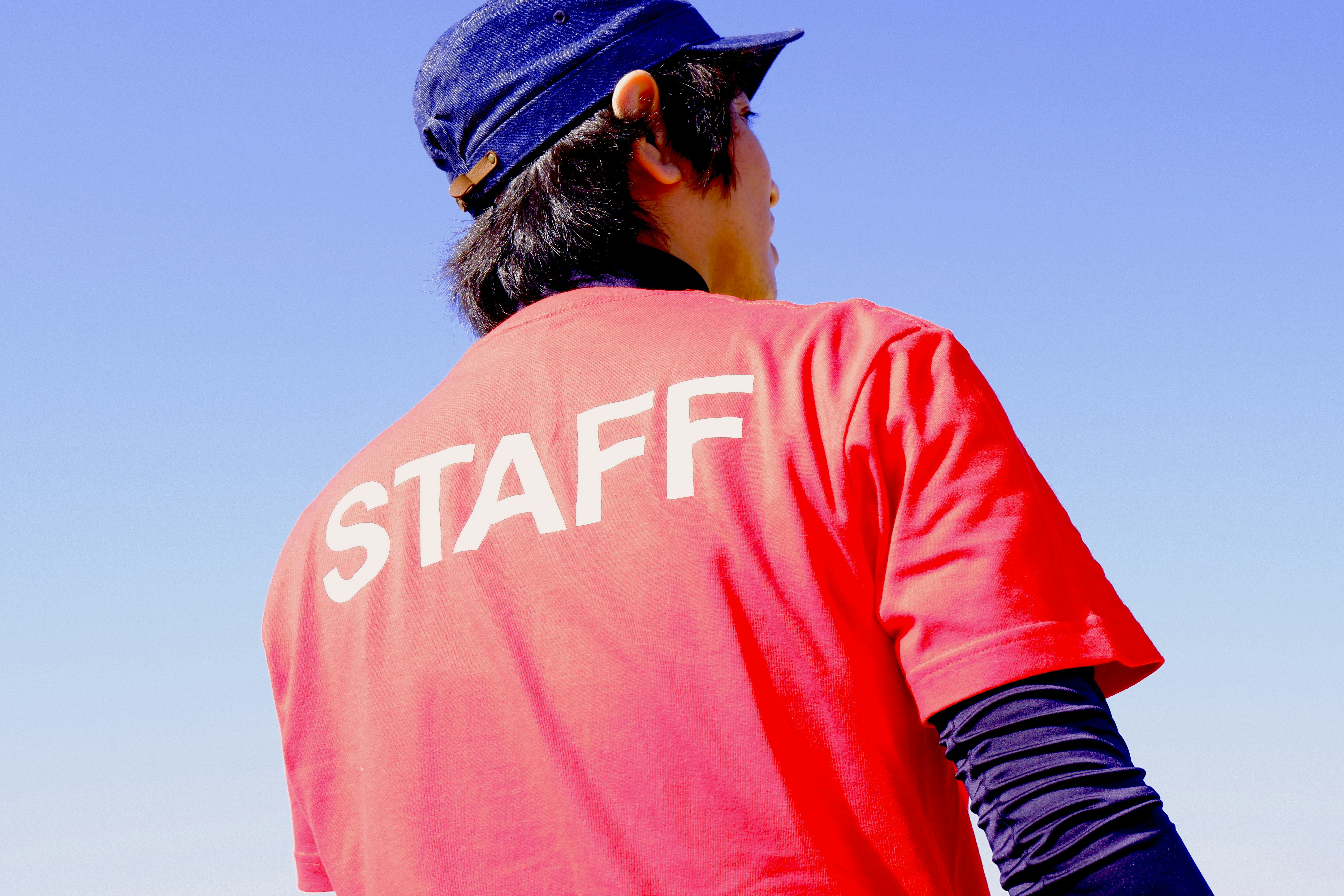
Event staffing is the process of hiring trained, temporary staff for a specific event, covering roles like brand ambassadors, hospitality staff, registration teams, and event security. Unlike general temp labor, event staffing focuses on brand representation, guest experience, and roles trained specifically for the event environment.
Anyone planning their first event, or comparing options for the tenth time, eventually runs into the same question: what is event staffing. It also raises a second one right behind it: how is it actually different from just hiring extra help for the day. Event staffing is the practice of hiring trained, temporary personnel specifically for events, brand ambassadors, hospitality staff, registration teams, and event security among them. It means bringing in the right people for a specific event, rather than pulling together whoever happens to be available. This guide breaks down what event staffing actually covers, how it works, and how to know if it is the right fit for your next event.
Event staffing means bringing in trained personnel for the specific duration and needs of an event, rather than relying on a venue's existing staff or general temporary labor. The people filling these roles are typically vetted and briefed specifically for the event, the brand involved, and the guest experience the host wants to deliver.
That distinction matters more than it might seem. A general labor temp agency fills a shift. An event staffing company fills a role, someone who understands the brand they are representing, the guests they are serving, and the specific tone the event calls for.
The core difference comes down to training and purpose. General temporary labor is often interchangeable, one warehouse shift looks much like another. Event staffing roles are built around representing a brand, managing a guest experience, or supporting a specific event function, which takes real briefing and, in many cases, ongoing training.
A brand ambassador at a product launch needs to know the product, the brand's tone, and the goal of the activation. A hospitality staff member at a gala needs to understand formal service standards and how to read a room. Neither of those is something a generic labor booking is built to provide.
Event staffing covers a range of roles, and most events need a mix rather than just one.
| Role | What They Do |
|---|---|
| Brand ambassadors | Engage guests, represent brand messaging, drive interaction |
| Promotional models | Draw attention to a space or activation |
| Hospitality staff | Manage guest comfort, service, and VIP areas |
| Registration staff | Handle check-in and attendee flow |
| Event security | Access control, crowd management, guest safety |
| Bartenders and banquet servers | Manage bar service and formal plated dining |
Brand ambassadors are the guest-facing representatives of a brand at an event, handling engagement, product demonstrations, and general brand representation. They are often the role people picture first when they think of event staffing. VIPER's brand ambassador staffing guide covers this role in more depth.
Hospitality staff cover guest comfort broadly, from general event service to formal banquet service and bartending, depending on the event's format and guest expectations.
Registration staff manage the first impression of an event, handling check-in, badge distribution, and attendee flow, particularly important at trade shows and conferences with a structured schedule.
Event security covers access control and crowd management, especially relevant at larger events, events with alcohol service, or events with high-profile guests.
Event staffing exists to solve a specific problem: an event needs more people, and more specialized people, than a business or host normally has on hand. That need is usually limited to a short, specific window of time. Rather than overstaffing a permanent team or under-preparing for a big event, staffing lets a host bring in exactly the roles needed, trained specifically for that event.
This applies across a wide range of situations. A brand launching a product needs ambassadors who know the product cold. A conference needs registration staff who can manage a large crowd efficiently. A wedding needs banquet servers trained in formal plated service. Each of these calls for a different, specific skill set that general staffing does not reliably provide.
Most event staffing follows a similar general process, regardless of the specific agency or event type.
You share your event details, including date, venue, guest count, and the roles you need. The staffing partner recommends a team based on those specifics, rather than a generic headcount. Staff get vetted and briefed on your brand, your event goals, and any specific details before the event day arrives. On event day, a team lead typically manages coordination, especially for anything beyond a small team.
Lead time varies by event complexity, but four to six weeks is a comfortable general window for most events. That gives a staffing partner time for proper vetting and briefing rather than a same-day scramble.
A few things separate a strong event staffing partner from a weak one. Real vetting, not just checking who happens to be available. A genuine briefing process tied to your specific brand and event, not a generic script. Clarity on whether staff are W-2 employees or contractors, which affects reliability and liability. A dedicated on-site lead for anything beyond a small team.
Asking directly about each of these tends to reveal more about a staffing partner's actual quality than any amount of marketing language on a website.
A few factors shape event staffing cost across almost any type of event. Role type matters, specialized roles like event security or bilingual staff typically require more specific vetting than general support. Headcount and event length matter too, a small team for a short event scales differently than a large team across a multi-day activation. Lead time plays a real role as well, booking during a busy season with short notice tends to limit options more than booking early.
The most useful way to think about cost is not the rate alone, but what that rate actually includes. Vetting, briefing, on-site management, and replacement coverage all vary between staffing partners. A lower rate that skips real briefing or leadership often costs more in problems solved during the event itself.
Not every event needs a full staffing team, but most benefit from at least some trained support beyond a purely volunteer or in-house group. A general rule worth considering: professional staffing is worth the investment when guests will interact directly with staff representing your brand. It is also worth it when the event runs long enough that energy and consistency matter, or when the venue and guest count require dedicated coordination.
Smaller, low-stakes gatherings can often run fine without it. Anything tied to brand reputation, a significant guest list, or a formal service standard usually benefits from real staffing rather than improvised coverage.
The obvious measure is whether the event ran smoothly, but a fuller picture includes a few other signals. Guest feedback on staff interactions often matters more than people expect, since staff are frequently the only part of an event guests actually talk to directly. Whether the team needed active management from you during the event, or ran independently once briefed, is another real indicator of how well the staffing partner prepared.
For events tied to specific goals, brand awareness, lead generation, product sampling, track whether those goals were actually met, not just whether staff showed up and completed their shifts. A team that arrived on time but failed to genuinely engage guests has not really delivered, even if nothing technically went wrong on the surface.
Waiting too long to book. Strong, experienced staff get booked first, especially during busy seasons.
Treating every role as interchangeable. A brand ambassador, a registration staff member, and event security are genuinely different skill sets, not the same role with different titles.
Skipping the briefing conversation. Staff who arrive without a real briefing default to generic behavior, which guests notice.
Assuming price alone reflects quality. A lower rate often means less vetting and less training behind it.
Trade shows and conventions typically need booth staff, registration teams, and lead generation specialists working a structured show floor. Corporate events call for polished hospitality and registration support matched to a business setting. Festivals and brand activations lean on brand ambassadors who can sustain energy across long, high-traffic days. Private and formal events, galas, weddings, milestone celebrations, need hospitality and banquet staff trained in formal service standards.
VIPER Experience was founded by Celeste Durve, a Forbes 30 Under 30 honoree and first-generation entrepreneur who built the agency without outside funding. Every VIPER placement goes through a real vetting and briefing process, covering brand ambassadors, hospitality staff, registration teams, and event security.
VIPER staffs events across Los Angeles, New York, and Miami, with capabilities extending nationally to markets like Las Vegas and Chicago. The team has real experience at genuine scale, including running 11 events across a single Super Bowl weekend with more than 130 staff deployed at once. VIPER also maintains an ongoing staffing partnership at SoFi Stadium. For more on comparing staffing partners generally, see what to look for in an event staffing company.
This guide was prepared by the VIPER Experience content team, drawing on the agency's direct experience staffing events across Los Angeles, New York, and Miami.
Understanding what event staffing actually covers is the first step toward hiring the right team instead of just extra hands. The roles, the training, and the briefing process all shape whether an event runs smoothly or feels like it is being figured out in real time. Contact VIPER Experience to talk through what your next event actually needs.
What is event staffing?
Event staffing is the practice of hiring trained, temporary personnel specifically for events, including brand ambassadors, hospitality staff, registration teams, and event security, rather than relying on general temporary labor.
How is event staffing different from a temp agency?
Event staffing roles are built around brand representation and guest experience, requiring specific briefing and often training, while general temp labor is typically interchangeable across different types of work.
What roles fall under event staffing?
Brand ambassadors, promotional models, hospitality staff, registration staff, event security, bartenders, and banquet servers are the most common roles, often combined depending on the event.
How far in advance should I book event staffing?
Four to six weeks is a comfortable general window for most events, allowing time for proper vetting and briefing.
Do I need event staffing for a small event?
Often yes, even a small event benefits from trained, briefed staff rather than general help, though the scale of staffing should match the event's actual size and complexity.
Does event staffing cost more than hiring temp labor directly?
Costs vary by role, scale, and market, but the real comparison is not just cost. It is what a staffing partner's vetting, briefing, and on-site management actually add to the event's execution.
How do I know which event staffing roles I actually need?
Start with what guests will directly experience: brand interaction calls for ambassadors, formal dining calls for banquet staff, large crowds call for security and registration support. A good staffing partner will ask enough questions to recommend the right mix rather than a generic headcount.
Is event staffing only for large events?
No. Smaller events still benefit from trained, briefed staff, just scaled to the event's actual size. The value of real vetting and briefing does not disappear just because the guest list is shorter.
QUICK NAVIGATION
DISCOVER VIPER
© 2026 Viper Experience. All rights reserved. Designed by RoundTechSquare