
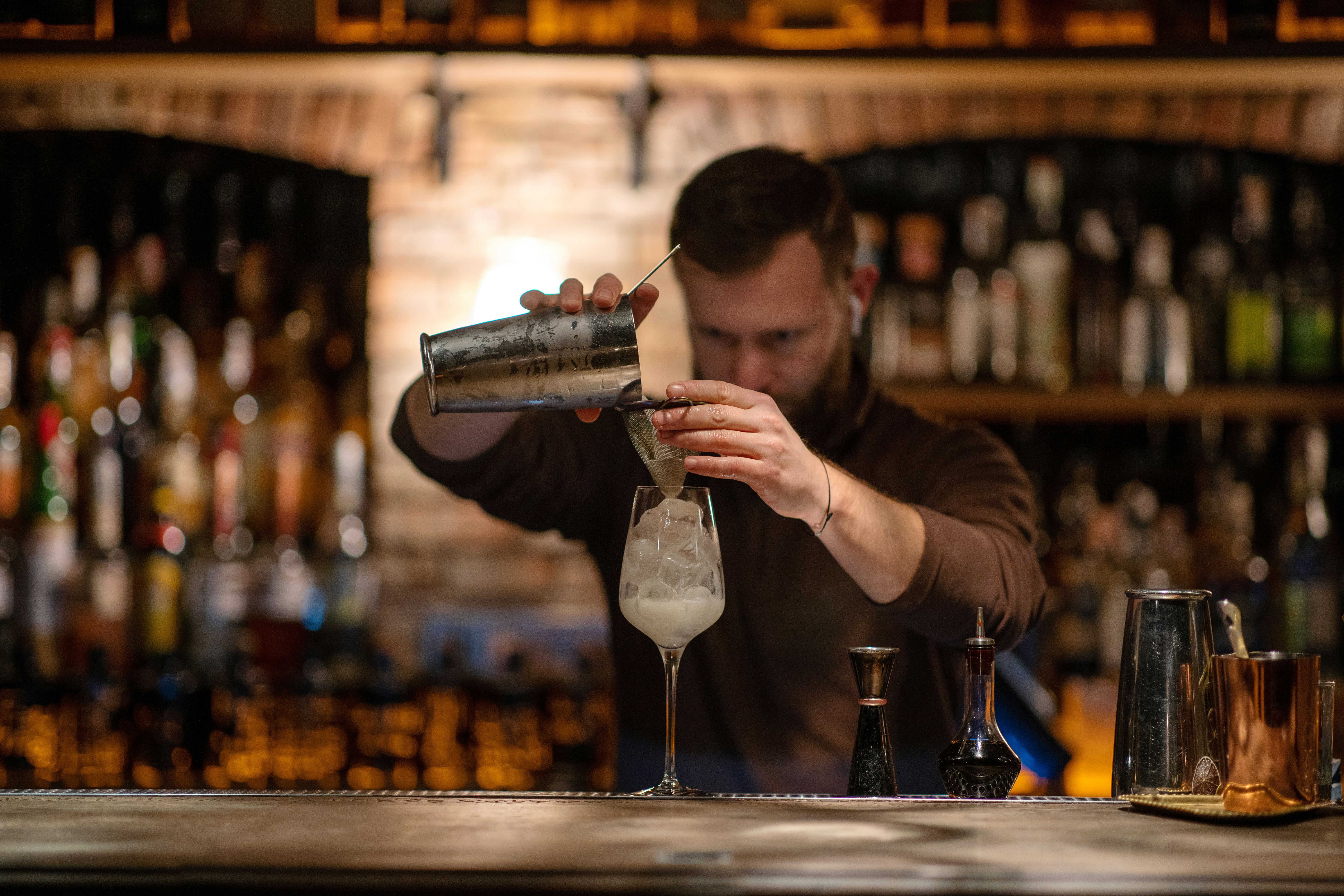
Knowing how to hire a bartender for a private party can change how your whole night feels. A good bartender keeps drinks flowing, keeps you out of the kitchen, and lets you enjoy your own guests.
This guide is for hosts planning a birthday, milestone celebration, backyard gathering, home cocktail party, or small private event. You will learn where to find a bartender, which questions to ask, how many you need, what to supply, how to handle tipping, and what to settle before the day. It draws on how VIPER Experience staffs bars at private events in Los Angeles, New York, and Miami.
To hire a bartender for a private party, set your date, guest count, and drink style first. Then choose a source, such as an agency, a caterer, or a freelancer, ask about experience, training, and insurance, agree on who supplies what, and book in writing. Plan on about one bartender for up to roughly 50 guests with a simple menu, and add more for larger crowds or fuller cocktail menus.
You need a bartender when guests will want more than a cooler of beer, or when you want to stay present as the host. Self-serve bars work for small, casual gatherings. They stop working when drinks get complex, lines form, or you spend the night refilling ice.
| Your situation | Self-serve bar | Hire a bartender |
|---|---|---|
| Small casual gathering with beer and wine | Often enough | Optional |
| Cocktail menu or signature drinks | Hard to run well | Recommended |
| You want to host, not pour | You will be tied to the bar | Recommended |
| Milestone or formal celebration | Can feel unfinished | Recommended |
| Guests who may need a responsible service check | Left to you | Handled by a trained professional |
Usually not. A friend wants to enjoy the party, may drink while working, and is hard to correct if something goes wrong. A trained bartender also knows how to pace service and politely refuse a guest who has had enough. If a friend does step in, keep the menu to beer and wine and agree on a clear end time.
Often you do not. Many venues include licensed bartenders, equipment, and insurance in their packages, and some do not allow outside bartenders at all. A separate bartender makes the most sense at a private home, a backyard, or a dry-hire space with no bar staff.
You can hire a bartender through a staffing agency, a catering company, a freelance listing, or your venue. Each route trades price, control, and risk differently, so match the source to the size and stakes of your event.
| Source | Strength | Watch out for |
|---|---|---|
| Event staffing agency | Vetting, backup if someone cancels, one point of contact | Confirm they take private events, not only corporate ones |
| Caterer with bar service | Food and bar handled together | Bar staffing may be a side service with less depth |
| Freelance bartender | Direct relationship, flexible | No backup if they cancel, and you verify everything yourself |
| Venue’s preferred list | Familiar with the space | Limited choice, and venue rules may apply |
| Friend or family member | Free and comfortable | No training, no insurance, and they miss their own party |
Choose an agency when the event matters and you want a backup plan. An agency vets bartenders, briefs them, and can replace someone who drops out. Choose a freelancer when the event is small, the date is flexible, and you are comfortable checking references and paperwork yourself.
If you are comparing providers, our guide to event staffing companies lists what to look for before you book. For short-term help beyond the bar, see our temporary event staffing guide.
Follow these steps in order. Each one makes the next easier.
Decide your guest count, your hours, your drink style, and your supply plan. These four answers drive the recommendation and the quote. Without them, every provider has to guess, and the answers you get back are harder to compare.
Ask about experience, training, insurance, supplies, and backup. The answers tell you whether you are hiring a professional or a favor. Copy this list into your notes.
| Question | What a good answer sounds like |
|---|---|
| Have you worked at private parties like mine? | Specific examples of similar events, not general claims |
| What alcohol service training do you have? | A clear answer for your state and city, with documents available |
| Do you carry liability insurance? | A direct yes or no, and whether your venue needs a certificate |
| What happens if you cannot make it? | A named backup or a replacement process |
| What do you bring, and what do I supply? | A clear list of tools, garnish, and glassware |
| Will the person I speak with be the person who works my party? | A named bartender confirmed in writing |
| How do you handle guests who have had enough? | A calm, responsible approach to service |
| How early do you arrive, and how long is breakdown? | Setup and cleanup built into the booked hours |
| What are your deposit and cancellation terms? | Written terms you can read before you pay |
Often, yes. Alcohol rules differ by state, city, and venue, so confirm what applies to your event. Some venues require proof of insurance, and some states require alcohol service training.
Ask your provider and your venue early so there are no surprises on the day. Rules also change, so check with your local alcohol authority if you are unsure.
A common planning guide is one bartender for up to roughly 50 guests with one bar station and a simple menu, and two bartenders for about 75 to 125 guests or a broader cocktail menu. Add more as the crowd or the menu grows.
| Party size | Simple menu (beer, wine, one or two drinks) | Full cocktail menu |
|---|---|---|
| Up to about 50 guests | 1 bartender | 1 to 2 bartenders |
| About 75 to 125 guests | 2 bartenders | 2 or more bartenders |
| Larger crowds | Add per 50 to 75 guests | Add per 50 to 75 guests, plus a second station |
Guest flow matters as much as guest count. If most guests arrive in the first half hour, plan for more help even when the total is small. For a deeper breakdown, see our guide on how many bartenders you need.
This is where most private party mix-ups happen. “Bartender included” can mean very different things, so settle it in writing.
Also check the space. A bartender needs a sturdy surface, access to water, and power nearby. Outdoors, plan shade and a way to keep ice from melting.
It depends on the arrangement. With a labor-only booking, you buy the alcohol and the bartender serves it. Full-service packages may include supplies. Ask your bartender for a shopping list based on your menu and guest count, and ask your store whether it accepts returns of unopened bottles. Policies vary by state and store.
A common planning rule is about two drinks per guest in the first hour and about one drink per guest for each hour after that. A four-hour party with 40 drinking guests works out to roughly 200 drinks. Adjust for your crowd, the food you serve, and how many guests are driving.
Count drinks the way the U.S. Centers for Disease Control and Prevention does. One standard drink is 12 ounces of 5% beer, 5 ounces of 12% wine, or 1.5 ounces of 80-proof liquor. The National Institute on Alcohol Abuse and Alcoholism adds that stronger beers and bigger pours count as more than one.
More than you think. Ice is the supply hosts most often run short on, because it chills drinks, fills glasses, and keeps beer and wine cold. Ask your bartender for a number based on your menu, and buy extra. Leftover ice costs little, and running out stops the bar.
At a private party in a home or backyard, an open bar is the norm, because charging guests for drinks feels odd when you are the host. The right choice depends on budget and the kind of event.
| Bar type | How it works | Best for |
|---|---|---|
| Open bar | You cover the drinks guests order | Home parties, milestones, and celebrations |
| Limited open bar | Open bar with a short menu, such as beer, wine, and one signature drink | Keeping choices and costs under control |
| Hosted bar with a cap | You cover drinks up to a set amount, then switch to cash | Larger or public-facing gatherings |
| Cash bar | Guests pay for their own drinks | Large community or ticketed events |
Keep it short. A tight menu speeds up service, simplifies shopping, and cuts waste. Most private parties run well on beer, wine, one or two signature cocktails, and a non-alcoholic option that looks just as good as the rest.
Book as soon as your date and guest count are set. Popular dates, holiday weekends, and the end-of-year season fill first. A longer lead time gives you more choice, time to check paperwork, and room to adjust the menu. If your party falls on a holiday, our guide to New Year’s Eve event staffing shows how early demand builds.
| When | What to do |
|---|---|
| As soon as the date is set | Contact providers and share your basics |
| 3 to 4 weeks out | Confirm the booking, menu, and supply list in writing |
| 1 week out | Send the day-of brief and confirm arrival time |
| Day before | Chill drinks, stock ice, and clear the bar area |
| Day of | Walk the space with your bartender before guests arrive |
Book arrival before your guests do. Bartenders typically need time before service to set up, stock, chill drinks, and prep garnish, and time after service to clean the bar area. Ask your provider how much they need, and make sure those hours are in the quote. A vague start time can turn into an extra billable hour.
Tipping expectations vary, so decide in advance and tell your bartender. Many hosts either tip the bartender themselves at the end of the night or confirm that gratuity is built into the agreement. A tip jar is common at some events and awkward at others, because guests who are being hosted may feel unsure about tipping.
Give a one-page brief with the schedule, the menu, and one contact person. A bartender who knows the plan can start serving faster and handle surprises without pulling you away from your guests.
Back your bartender. A trained bartender is responsible for refusing service when needed, and that authority protects you and your guests. Do not overrule the decision to keep someone happy. Offer water and food, and move the moment along quietly.
Cost depends on the number of bartenders, the length of the event, your city and date, and the type of bar. Ask for an itemized quote so you can compare like for like.
VIPER Experience provides vetted bartenders for private events, weddings, and corporate functions in Los Angeles, New York, and Miami. Our bartenders work under our waitstaff for hire service, so you get hospitality professionals who are briefed on your event, not a generic booking.
We also staff private events from other cities when a booking calls for it, and our team leads help manage last-minute changes. Our hospitality teams work high-pressure nightlife and VIP service as well, which you can read about in our guide to door teams and bottle service.
To compare options for larger gatherings, see our guide to a bartender staffing agency, or read how we approach catering event staff for hosted functions. Hosting a company cocktail hour? See corporate event staffing. Local pages cover Los Angeles, New York, and Miami.
Planning a party now? You can request a bartender for your private party by sharing your date, guest count, and bar style.
Knowing how to hire a bartender for a private party comes down to a few clear choices. Set your guest count and menu first. Choose a source you trust, ask about training, insurance, and backup, and agree on who supplies what. Then book early, brief your bartender, and let someone else handle the pouring while you enjoy your own party. When you want a vetted, briefed bartender ready on the day, VIPER Experience can build the right bar team for you.
Set your date, guest count, and drink style, then choose an agency, caterer, or freelancer. Ask about experience, training, insurance, and backup, agree on supplies, and book in writing.
A common guide is one bartender for up to roughly 50 guests with a simple menu, and two for about 75 to 125 guests or a broader cocktail menu. Add more for larger crowds or fuller menus.
As soon as your date and guest count are set. Popular dates and the holiday season fill first, so earlier booking gives you more choice.
Ask about private party experience, alcohol service training, insurance, backup if they cancel, what they bring, arrival and breakdown time, and deposit and cancellation terms.
Often the host supplies alcohol, mixers, ice, and glassware, but it varies. Agree on this in writing before the day, and ask your bartender for a shopping list.
Often not. Many venues include licensed bartenders and insurance, and some do not allow outside bartenders. Ask your venue what is included.
An agency adds vetting and backup if someone cancels. A freelancer can work for small, flexible events if you check references and paperwork yourself.
Rules differ by state, city, and venue. Ask your provider and venue what applies, and confirm insurance requirements early.
A common rule is about two drinks per guest in the first hour and about one per guest each hour after. Adjust for food, your crowd, and how many guests are driving.
More than you expect. Ice chills drinks, fills glasses, and keeps beer and wine cold. Ask your bartender for a number, and buy extra.
Decide in advance. Many hosts tip the bartender directly at the end of the night or confirm that gratuity is included. Tell your bartender whether you want a tip jar out.
Bartenders typically need time before guests arrive to set up, stock, and chill drinks, plus time after to clean up. Ask your provider and include those hours in the booking.
At an open bar, the host pays for drinks. At a cash bar, guests pay for their own. Open bars are the norm at home parties.
Yes. VIPER Experience provides vetted bartenders for private events in Los Angeles, New York, and Miami, and staffs events in other cities when a booking calls for it.
QUICK NAVIGATION
DISCOVER VIPER
© 2026 Viper Experience. All rights reserved. Designed by RoundTechSquare