
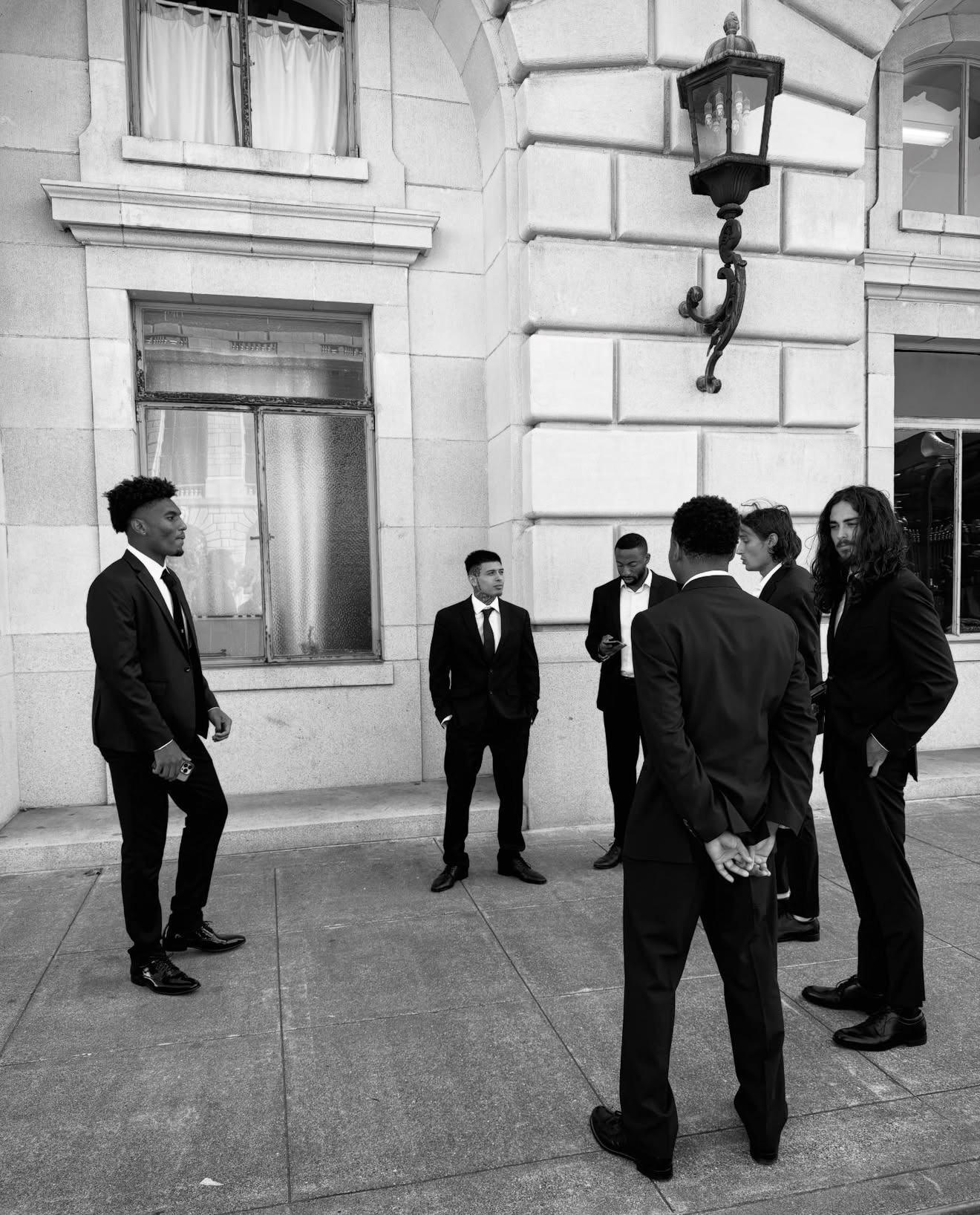
Quick Summary VIPER Experience provided event staffing and brand ambassadors for a Chanel activation at San Francisco Ballet, delivering elevated hospitality and guest experience matched to a luxury fashion and arts crossover event.
In the world of high-profile events and luxury brand activations, every detail matters. VIPER Experience provided brand ambassadors and event staffing for a Chanel engagement at San Francisco Ballet. The occasion called for staff who could represent a luxury fashion house's standard within the setting of a major cultural institution. This guide covers what that kind of engagement requires and what separates luxury brand staffing from a typical corporate booking. It also covers what any brand planning a similar activation should know before hiring a team.
VIPER's team supported the event with staff selected for both polish and genuine professionalism. That reflected the sophistication expected of a Chanel activation alongside the refined atmosphere of San Francisco Ballet itself.
Luxury brand activations inside established cultural institutions test a different set of skills than a typical corporate or festival booking.
Staffing an activation hosted inside another institution means representing the sponsoring brand's tone while respecting the host venue's own atmosphere and audience. That dual standard takes real briefing, not a generic luxury-service script. Staff need to understand both the brand's specific identity and the character of the institution hosting it, since a mismatch between the two is immediately noticeable to a discerning guest.
A ballet gala, a museum opening, and a private art exhibition each carry their own unspoken etiquette. A brand activation staffed without real understanding of that etiquette can feel disconnected from the evening, no matter how polished the staff themselves are.
Guests at cultural and arts institutions expect quiet, attentive service that never competes with the event itself for attention. Staff need the judgment to support the evening without becoming the center of it. This is a subtler skill than it sounds. Overly enthusiastic engagement can feel intrusive in a setting built around performance and art, while service that is too reserved can read as disengaged.
The best staff in this kind of environment find a middle register: warm, attentive, and present without ever pulling focus from the institution's own program or the brand's intended message.
Cultural institution events, galas in particular, often run for several hours across multiple phases: a reception, a formal program, and sometimes an after-party. Staff need to maintain the same standard of polish and energy from the first guest arrival through the final departure. Fatigue late in a long evening is exactly when small lapses in service become most visible.
A luxury brand activation inside a cultural institution rarely runs on one role alone. Brand ambassadors handle direct guest engagement and brand representation, while VIP hospitality staff manage the broader comfort and flow of the evening. Larger galas often add a dedicated team lead coordinating both groups, since a reception, a formal program, and an after-party each have different pacing and different staffing needs.
| Event Phase | Typical Staffing Focus |
|---|---|
| Reception | Brand engagement, energy, first impressions |
| Formal program | Discretion, minimal disruption |
| After-party or reception close | Sustained hospitality, consistent energy |
Getting this mix right matters more in a formal, multi-phase evening than it does at a single-format event. A team built entirely around brand engagement can feel overly present during a quiet, formal program segment. A team built purely around quiet hospitality can feel flat during a reception meant to build energy.
Pairing a luxury brand with an established cultural institution gives both sides something the other cannot fully provide alone. The institution brings a built-in audience of engaged, discerning guests and a setting with genuine artistic credibility. The brand brings resources and a polished guest experience that can elevate the evening beyond what the institution's own budget might otherwise support.
That exchange only works, though, if the guest experience feels cohesive rather than like two separate events awkwardly sharing a room. Staffing is one of the clearest places that seam either disappears or becomes obvious. A team that understands both the brand and the institution is what makes the partnership feel like a single evening instead of a sponsorship bolted onto an existing program.
VIPER Experience applies the same vetting and briefing standard to every luxury engagement, selecting staff for genuine polish and professionalism rather than appearance alone. For engagements at this level, VIPER recommends the same lead time used across brand ambassador bookings generally: six to eight weeks. That window allows real time for staff selection and detailed briefing on both the brand and the host venue's expectations.
That preparation window matters more in a luxury cultural setting than almost anywhere else. There is little room to course-correct once a formal gala or performance evening is underway. Staff who arrive under-briefed on either the brand's standard or the venue's etiquette are difficult to recover mid-event.
VIPER Experience was founded by Celeste Durve, a Forbes 30 Under 30 honoree and first-generation entrepreneur who built the agency without outside funding. Every brand ambassador and hospitality staff member VIPER places goes through the same rigorous vetting and briefing process regardless of event type or scale.
VIPER staffs events across Los Angeles, New York, and Miami, with capabilities extending nationally to engagements like this one. The same standard applies whether the setting is a stadium suite, a festival activation, or a formal evening inside a cultural institution. See more in VIPER's work and client reviews.
Brands considering a similar partnership should think through a few honest questions before booking staff.
A ballet, a museum, and a private gallery each carry different unspoken expectations, and staff need to be briefed on the specific one relevant to your event.
Define this clearly before the event rather than leaving staff to interpret the balance on the day.
A multi-phase gala with a reception, program, and after-party needs staff who can sustain the same standard across every phase, not just the first hour.
Some cultural settings call for near-invisible service. Others allow for warmer, more visible engagement. Clarify this expectation with your staffing partner in advance.
What does event staffing for a luxury brand activation involve?
Staff trained specifically in the brand's tone and standard, working within a host venue or institution's own guest experience rather than a standalone event.
How is staffing a brand activation at a cultural institution different from a typical corporate event?
Staff need to represent the sponsoring brand while respecting the tone and audience of the host institution, a dual standard that takes real briefing to get right.
Why does discretion matter more at a cultural institution event than a typical brand activation?
Guests at these events expect service that supports the evening without pulling attention away from the institution's own program or performance. That takes a more measured approach than a typical high-energy activation.
How far in advance should a brand book staff for a gala or cultural institution event?
Six to eight weeks gives a staffing partner enough time for proper selection and briefing on both the brand's standard and the host venue's specific etiquette.
Does VIPER Experience staff luxury brand events outside its home markets?
Yes. VIPER staffs activations nationally, including luxury and cultural institution events outs ide Los Angeles, New York, and Miami.
What roles are typically needed for a gala or cultural institution brand activation?
Brand ambassadors and VIP hospitality staff are the most common roles, often working together to manage both brand representation and guest comfort across a multi-hour evening.
How should staffing change across the different phases of a gala evening?
Reception moments generally call for more visible brand engagement, while a formal program segment calls for quiet discretion. An after-party or closing reception needs staff who can sustain energy after an already long evening.
Yes, when the team is briefed specifically for both roles and how they should work together. Coordinating this under one partner tends to run more smoothly than booking brand ambassadors and hospitality staff through separate vendors.
Your brand's presence inside a cultural institution is only as strong as the team representing it on the ground. The right staff make a partnership feel like one cohesive evening rather than two events sharing a room. Contact VIPER Experience to talk through your next luxury activation
QUICK NAVIGATION
DISCOVER VIPER
© 2026 Viper Experience. All rights reserved. Designed by RoundTechSquare