Quick Answer: The best brand activation ideas depend entirely on the goal behind them, awareness, trial, lead generation, or content creation each favor different concepts. Pop-ups and sampling stations work well for trial. Interactive installations and photo-worthy moments work well for content and awareness. Trade show and lead-capture activations work well for pipeline generation. The idea only works if the execution and staffing behind it match what the concept actually needs.
Staring at a blank page trying to come up with a brand activation concept is the wrong place to start. The best brand activation ideas come from working backward from a specific goal and audience. A generic list of concepts that sound impressive but do not fit the brand rarely works. This guide organizes genuinely useful brand activation ideas by the goal they actually serve. That way you can pick a concept that fits your objective instead of picking whatever looks most exciting first and hoping it works. For the full framework behind choosing and planning an activation, VIPER's brand activation strategy guide covers the objective-setting and measurement side of this in more depth.
A guided sampling station lets attendees try a product with staff on hand to explain what makes it different, rather than a self-serve table where the product speaks for itself. This works especially well for food and beverage and beauty categories where trial genuinely changes purchase intent.
A pop-up shop built around a single product line gives a brand a temporary, dedicated retail moment without committing to a permanent location. This works well for testing a new market or launching a product that benefits from a real, tactile retail experience.
A mobile sampling tour brings the trial experience directly to multiple markets in sequence. This is useful for a brand trying to build trial and awareness across several cities without running separate, disconnected activations in each one.
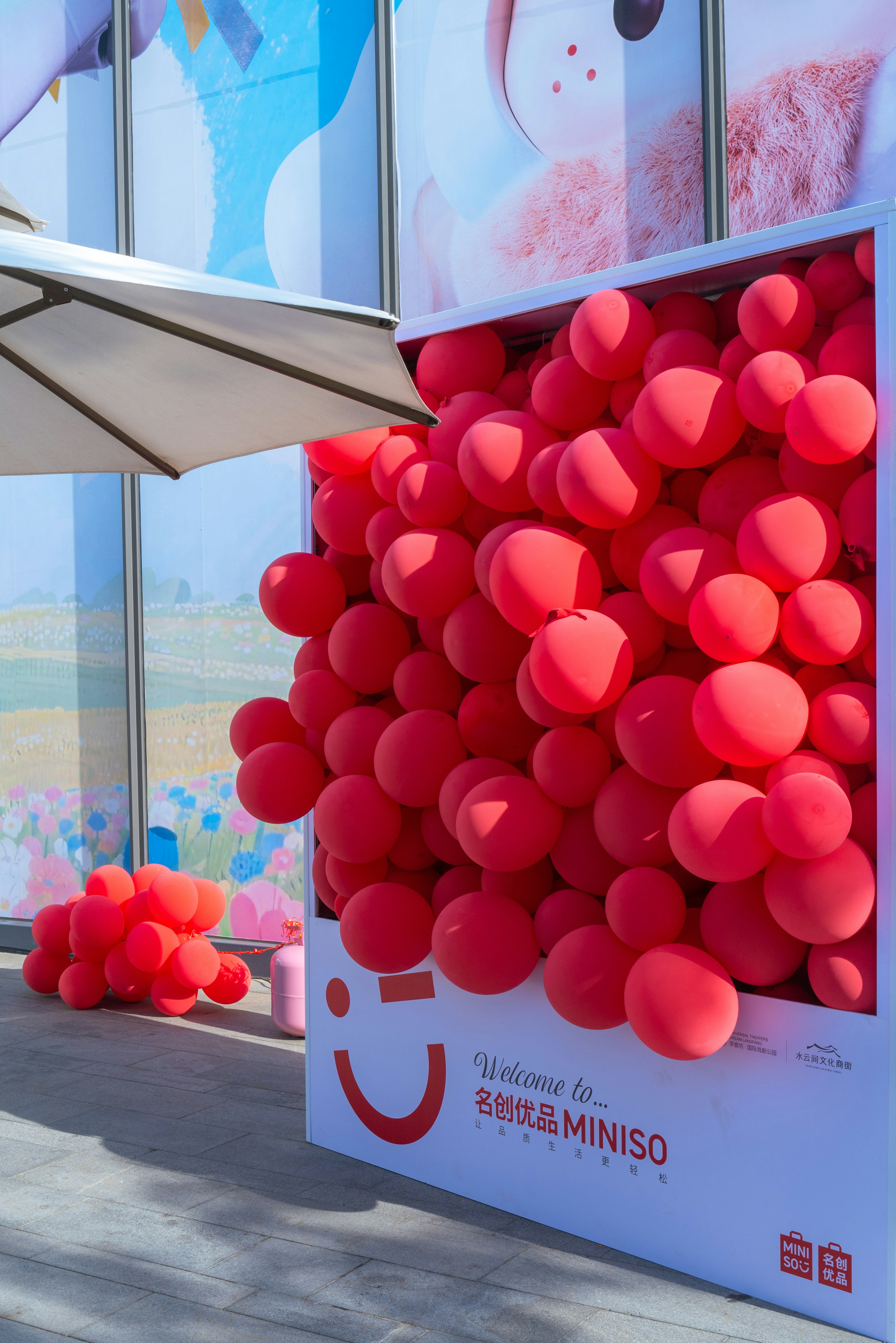
A branded photo moment, a distinctive backdrop, an oversized product replica, an unexpected visual element, gives attendees a reason to stop and share. That extends the activation's reach well past the people physically there.
An interactive installation that responds to visitors, a wall that reacts to touch, a display that changes based on movement, creates a memorable moment. That kind of moment is genuinely more shareable than a static display.
A costumed character or specialty performer draws attention from across a crowded space and creates a natural gathering point. That effect is particularly strong at festivals and large public events where competing for attention matters most.
A trade show booth built around a genuine product demonstration, rather than a generic display, gives visitors a real reason to stop. It also gives staff a natural entry point into a qualifying conversation.
A quiz, assessment, or interactive tool tied to lead capture gives visitors something genuinely useful in exchange for their contact information. That beats asking for it outright with nothing offered in return.
A private hospitality suite or VIP lounge at a larger event creates a controlled environment for deeper conversations with qualified prospects, away from the noise of a general show floor.
A live product demonstration paired with a Q\&A session gives a technical audience the depth they actually want, rather than a surface-level pitch aimed at a general consumer crowd. This kind of focused, in-person approach is exactly where B2B budgets are heading right now. Forrester research cited by Salesforce found that 59% of B2B marketers plan to run more small, hosted events and brand activations. Many teams are making that shift even while navigating flat or reduced overall budgets.
A branded lounge or networking space at a conference gives a company a presence beyond its own booth. That positions the brand as part of the event's broader hospitality rather than just another exhibitor.
An executive briefing space, separate from general booth traffic, gives a sales or leadership team a dedicated place for higher-stakes conversations during a show. VIPER's corporate event staffing guide covers the discretion and professionalism this kind of setting requires in more depth.
A holiday or seasonal pop-up ties an activation to a specific moment consumers are already thinking about. That gives the brand a natural, timely reason to show up rather than an activation that could happen at any point in the year.
An award season or industry moment activation, timed to a specific cultural or industry event already drawing attention, borrows some of that existing energy. That beats trying to generate all the attention on its own.
A milestone or anniversary activation marking a specific brand moment gives a genuine, honest reason for the activation to exist beyond generic promotion. That tends to feel more authentic to attendees than an activation with no clear occasion behind it.
The idea itself is only half the equation. The team executing it determines whether a strong concept becomes a genuinely memorable moment or a flat one that looks fine in photos but falls short in person. A sampling station needs staff who can hold a real conversation about the product, not just hand out samples. An interactive installation needs brand ambassadors comfortable guiding people through it, not just standing nearby. A lead-generation activation needs staff trained specifically to qualify conversations, not just collect business cards. This holds true regardless of how creative or well-designed the underlying concept actually is.
This is the piece most idea lists skip entirely. A concept that looks great in a planning deck can still fall flat. That happens when the people bringing it to life were not selected and briefed for what that specific idea actually requires.
| Idea Type | Best Staffing Fit | What to Look For |
|---|---|---|
| Guided sampling station | Product specialists, brand ambassadors | Genuine product knowledge, sustained energy |
| Pop-up shop | Retail associates, floor managers | Fast onboarding, retail sales instinct |
| Interactive installation | Brand ambassadors | Comfort guiding guests through a novel experience |
| Trade show demo booth | Product demonstrators, lead generation staff | Technical fluency, qualifying skills |
| VIP hospitality suite | Hospitality staff | Discretion, formal service standards |
| Costumed character or performer | Specialty performers | Stamina, crowd engagement skill |
Consider a skincare brand deciding between two competing ideas for an upcoming launch. One option is a guided sampling station at a wellness festival, the other an interactive quiz tied to lead capture at a beauty industry trade show. Both are genuinely good ideas. The right one depends on the actual objective.
If the goal is broad consumer trial and word of mouth, the festival sampling station wins. It puts the product directly into hundreds of hands in a setting built around discovery. If the goal is building a qualified retail or wholesale pipeline, the trade show quiz wins instead. It captures specific contact information from buyers already in a purchasing mindset, even though it reaches a far smaller audience.
Neither idea is better in the abstract. The selection process is exactly this: matching the concept to the objective rather than picking whichever idea generates more initial excitement in a planning meeting.
The clearest signal is whether the idea produced the specific outcome it was chosen for, not just whether it looked good or drew a crowd. A sampling idea should show real trial and follow-up interest. A lead-generation idea should show a real qualified pipeline, not just a large stack of business cards. A content-driven idea should show actual reach and engagement once that content goes live, not just enthusiasm in the moment.
Tracking this against the specific reason the idea was chosen tells a brand whether to run the same concept again. A general sense of how the day went does not offer that same clarity.
VIPER Experience was founded by Celeste Durve, a Forbes 30 Under 30 honoree and first-generation entrepreneur who built the agency without outside funding. Every VIPER placement goes through a real vetting and briefing process, matched specifically to what a given activation concept actually requires rather than a generic staffing package.
VIPER staffs brand activations, sampling campaigns, trade shows, and experiential events across Los Angeles, New York, and Miami, with capabilities extending nationally.
This guide was prepared by the VIPER Experience content team, drawing on the agency's direct experience staffing brand activations and experiential campaigns across Los Angeles, New York, and Miami.
The right brand activation idea is the one that actually serves your goal and has the team behind it to execute it well. It is not the one that looks most impressive on a mood board. Start with the objective, pick the concept that fits it, and staff it with people trained for exactly what that idea requires. Contact VIPER Experience to talk through the staffing behind your next activation idea.
What are some good brand activation ideas for a trade show?
A genuine product demonstration booth, an interactive lead-capture tool, or a private hospitality suite for qualified prospects all work well. The right choice depends on whether the goal is broad engagement or deeper qualified conversations.
What brand activation ideas work best for driving product trials?
Guided sampling stations, pop-up shops built around a single product line, and mobile sampling tours all give guests a direct, hands-on reason to try a product.
How do I choose the right brand activation idea for my brand?
Start with the specific objective, awareness, trial, leads, or content. Then pick the idea and staffing plan that actually serves that goal, rather than choosing a concept because it looks impressive on its own.
Does a brand activation idea need special staffing?
Yes, in most cases. The right idea still needs a team trained specifically for what that concept requires, whether that is product knowledge, technical fluency, or formal hospitality service.
Can the same brand activation idea work across multiple cities?
Often yes, if the staffing partner can maintain the same training standard and quality across every market the idea travels to.
What is the biggest mistake brands make when choosing an activation idea?
Picking a concept because it looks visually impressive rather than because it actually fits the specific objective and audience. A striking idea without a clear goal tends to generate attention that does not convert into anything measurable.
How do I know if an interactive activation idea needs specialized staff?
If the concept requires guiding guests through something novel, explaining a technology, or managing a more complex flow than a simple table setup, it likely needs specialized staff. Look for staff briefed and trained specifically for that experience, not general event support.
Should seasonal or occasion-based ideas be planned differently than year-round activations?
Yes, in most cases. Timing an activation to a real cultural or seasonal moment means booking staff and planning logistics earlier. Demand for both staffing and venues tends to concentrate around the same specific dates.
QUICK NAVIGATION
DISCOVER VIPER
© 2026 Viper Experience. All rights reserved. Designed by RoundTechSquare